
Morton’s Neuroma and Ball of Foot Pain: Diagnosis and Relief in Edgware

Pain in the ball of the foot can be surprisingly disruptive, making everyday activities such as walking, standing, or exercising uncomfortable.

One of the most common causes of this type of pain is Morton’s Neuroma, a condition that affects the nerves between the toes.

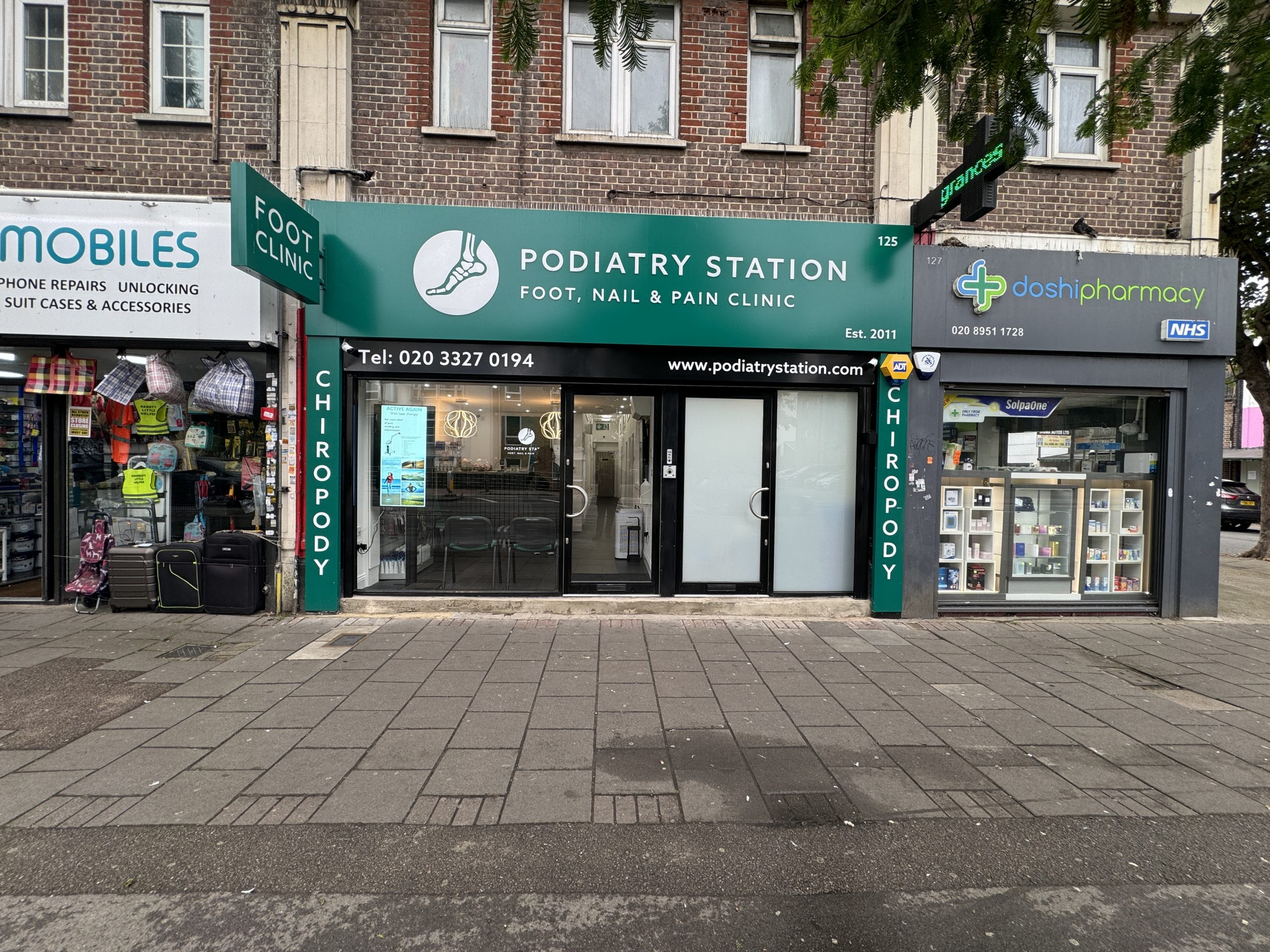
At Podiatry Station, we regularly help patients find effective, long-term relief from ball of foot pain in Edgware through accurate diagnosis and personalised treatment plans.

What Is Morton’s Neuroma?

Morton’s Neuroma occurs when the tissue around a nerve in the forefoot thickens, usually between the third and fourth toes.

This thickening puts pressure on the nerve, causing pain and altered sensation. Although it is called a “neuroma”, it is not a tumour but rather a nerve irritation caused by compression or repeated stress.

This condition is particularly common in people who wear tight or narrow shoes, stand for long periods, or engage in high-impact activities. Foot structure, such as flat feet or high arches, can also increase the risk.
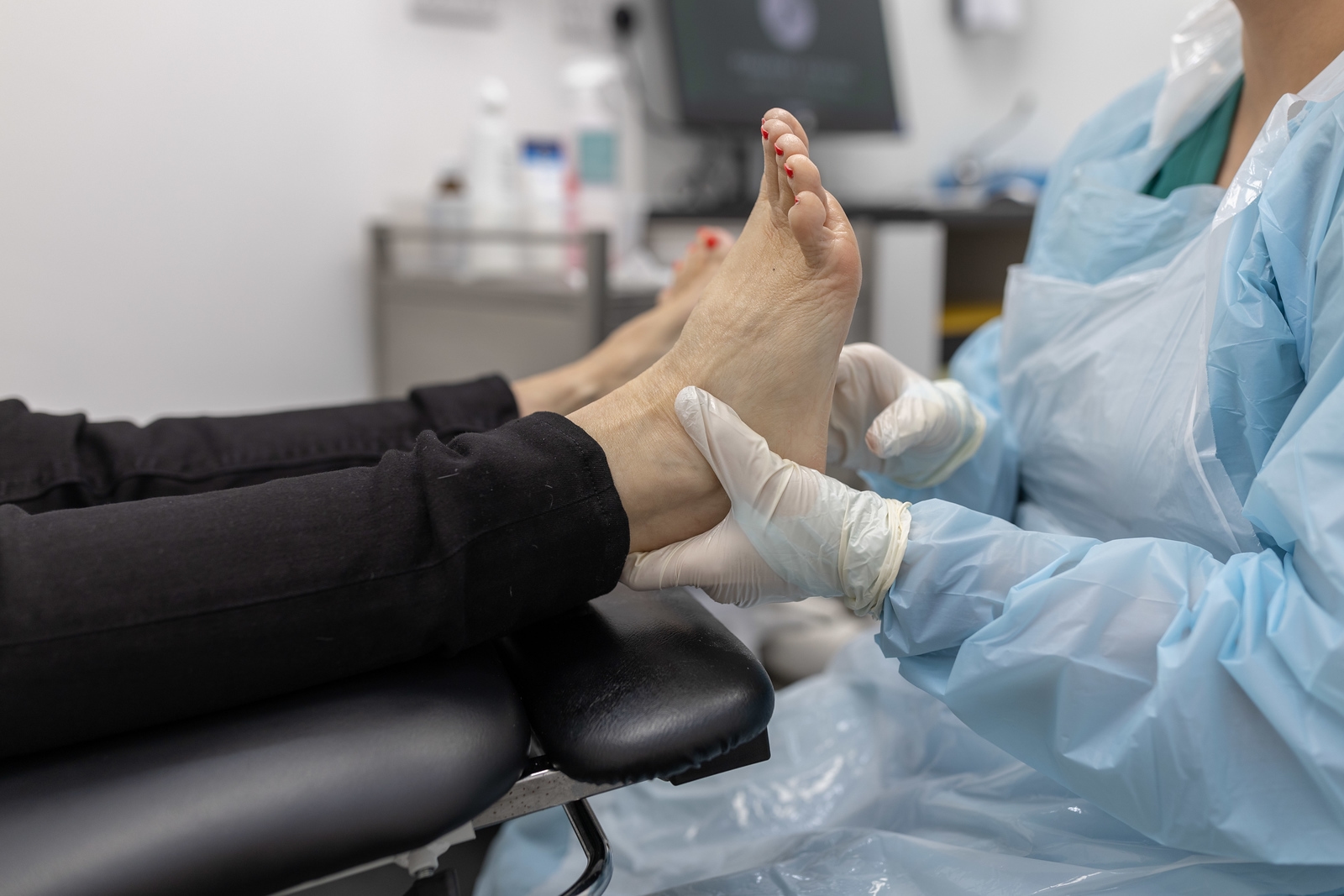
Morton’s Neuroma and Ball of Foot Pain: Diagnosis and Relief in Edgware

Symptoms of Morton’s Neuroma

Symptoms often develop gradually and may worsen over time if left untreated. Common signs include:

  • A sharp, burning or shooting pain in the ball of the foot
  • Tingling, numbness or a “pins and needles” sensation in the toes
  • Feeling like there is a pebble or fold in your sock under the foot
  • Pain that increases when wearing tight shoes or walking for long periods

Many patients report temporary relief when removing footwear or massaging the foot, but symptoms often return without proper treatment.

Diagnosis at a Local Edgware Podiatry Clinic

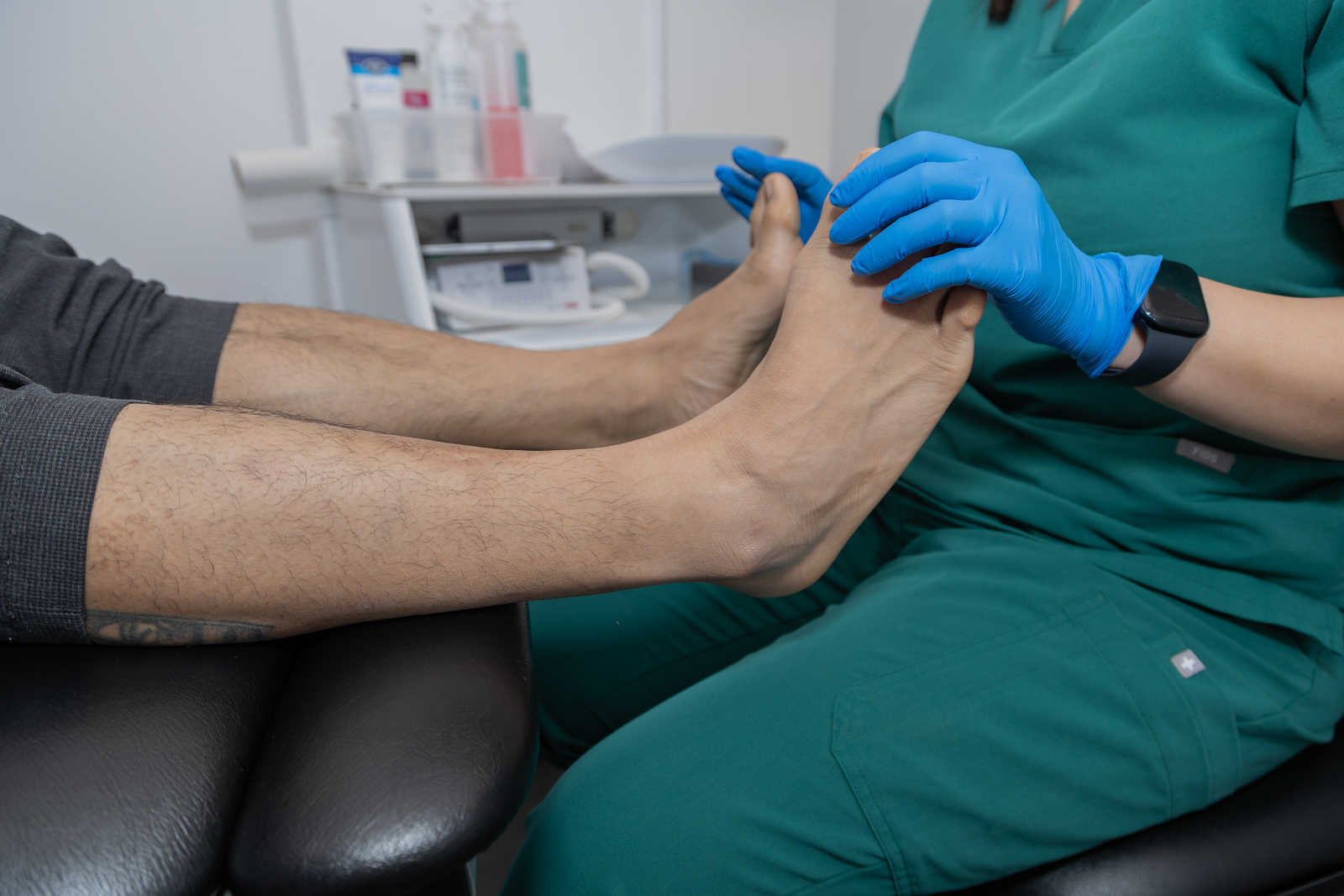
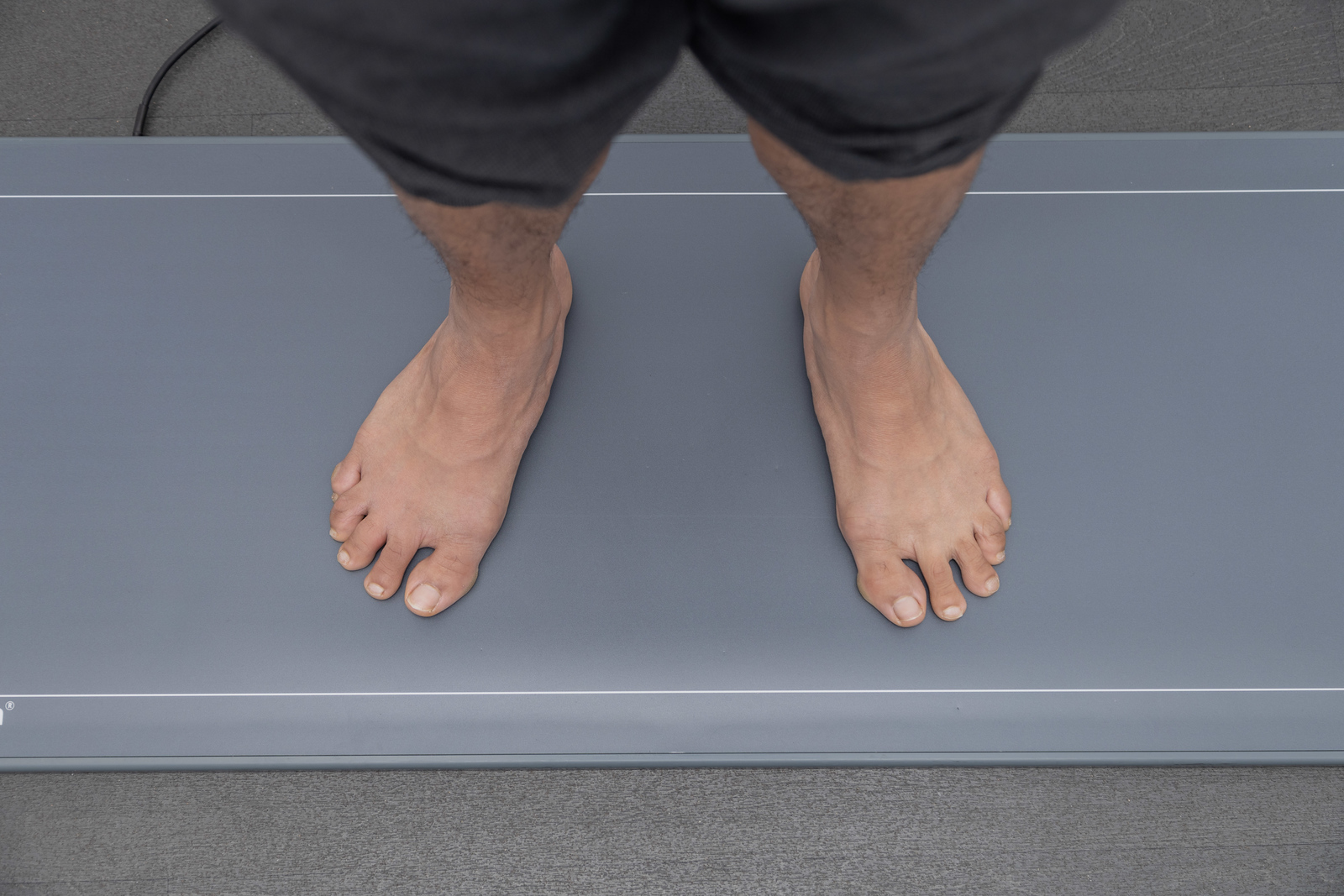
Accurate diagnosis is essential for effective treatment. At Podiatry Station in Edgware, our experienced podiatrists carry out a thorough assessment of your foot, gait, and footwear habits.

We will discuss your symptoms in detail and perform clinical tests to pinpoint the cause of your pain.

In some cases, imaging such as ultrasound or MRI may be recommended to confirm the diagnosis and rule out other causes of forefoot pain, such as stress fractures or arthritis.

Morton’s Neuroma and Ball of Foot Pain: Diagnosis and Relief in Edgware

Conservative Treatment and Pain Relief Options

Most cases of Morton’s Neuroma can be managed successfully without surgery. Conservative treatment options include:

  • Footwear advice: Switching to wider, well-cushioned shoes to reduce pressure on the forefoot
  • Padding and offloading: Special pads to relieve pressure on the affected nerve
  • Activity modification: Reducing high-impact activities that aggravate symptoms
  • Anti-inflammatory strategies: Ice and guided pain management techniques

These measures can significantly reduce pain and prevent the condition from worsening.

Advanced Treatments Available at Podiatry Station

For persistent or severe cases, Podiatry Station offers advanced treatment options tailored to your needs:

  • Custom orthotics: Bespoke insoles designed to redistribute pressure and improve foot mechanics
  • Injection therapy: Targeted treatments to reduce inflammation and nerve irritation
  • Shockwave therapy: A non-invasive treatment that stimulates healing and reduces pain in chronic cases

Our goal is to relieve pain, restore function, and help you return to comfortable movement as quickly as possible.

Morton’s Neuroma and Ball of Foot Pain: Diagnosis and Relief in Edgware

Get Expert Help for Ball of Foot Pain in Edgware

If you’re experiencing ongoing ball of foot pain or suspect Morton’s Neuroma, early treatment can make a significant difference.

At Podiatry Station, our friendly and professional team provides expert podiatry care in modern, accessible surroundings right in the heart of Edgware.

Call 020 3327 0194 or email info@podiatrystation.com to book your assessment today and take the first step towards lasting foot pain relief.

Book an appointment today
Patterned background

Want to talk to us?

Whether you’re a new or existing patient, our warm and friendly team would love to hear from you, answer your questions and give advice.


Opening Times

  • Monday to Friday: 8:30am - 7pm
  • Saturday: 9am - 6pm
  • Sunday: Closed